Mainstreaming gender into energy transition knowledge and policy for fair, just and sustainable outcomes

Are we on the right path to sustainable and equitable ‘green’ future?
In this blog, we wish to share new research perspectives and findings from the gEneSys project research on gendered power relations in energy transition for equitable, fair and just outcomes. The whole of the gEneSys research is available on Zenodo. It includes in-depth analyses of key gender gaps in knowledge, education, careers, and policy in the energy domain.
A recent study, commissioned by CINEA, published in 2024, showed widespread gender disparities in women’s participation in energy education, research, and employment. gEneSys considers energy transition as an ecosystem of interacting technological, political, environmental, and socio-economic knowledge and decision-making domains. Central to the gEneSys approach are the links made, or needed, between gender and energy in each of these domains and how to use them when assessing pathways towards energy transition.
What we know and what we need to know
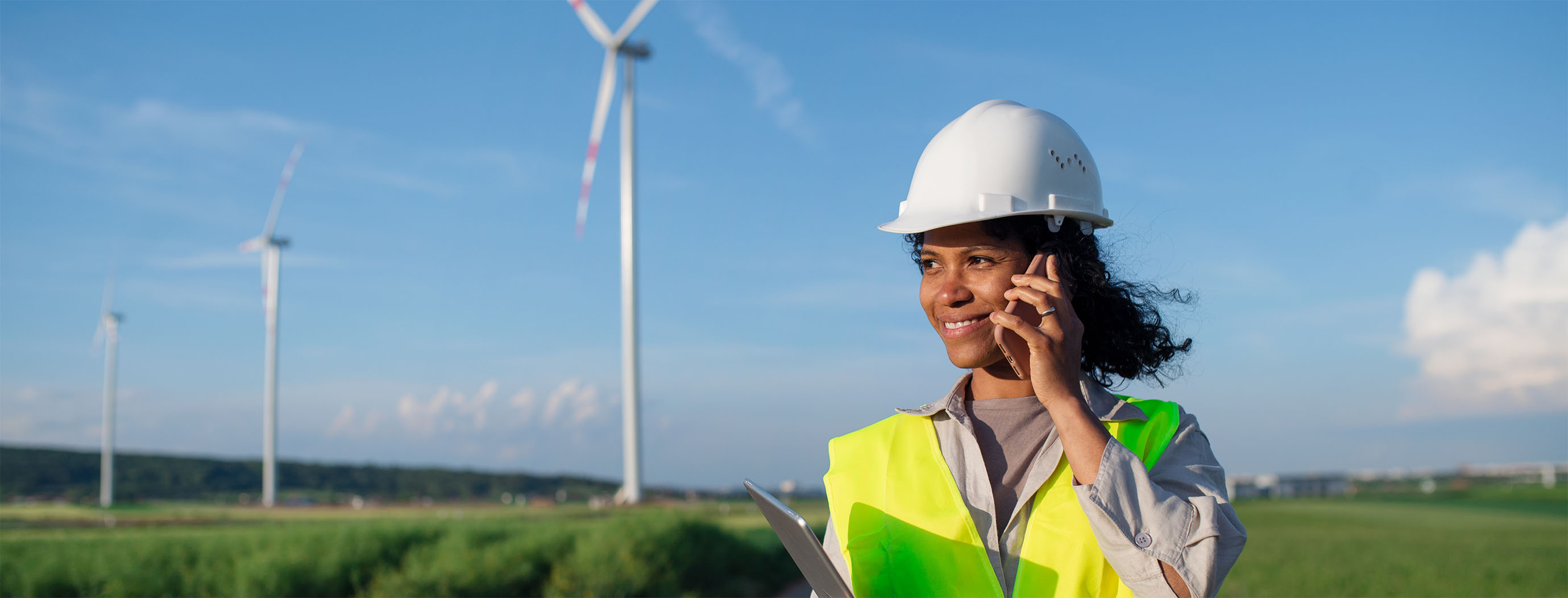
The commonly presented image of energy transition today is overwhelmingly technological: large-scale solar farms and forests of imposing wind turbines.
In contrast to the push for technological solutions, the impact of socio-economic factors that underpin societal trust in ‘green’ future has been largely neglected. Who decides, invests and (will) control access to energy? How to protect the wellbeing and the services of natural ecosystems people rely on? What is the impact of large scale technical installations on land and sea on biodiversity;? How will the land-use change maintain food production capacity? What cultural values determine societal acceptance of change such as landscape aesthetics, equity, justice and fairness? How to ensure full societal and women’s in particular, involvement in decision making to diversify and better contextualise possible technical opportunities?
Mainstreaming gender into energy transition higher education
It has been recognised for some time that energy transition needs a wider range of knowledge and skills than developing new technological solutions. A 2017 EU-wide survey of master level energy education programmes showed that 75.2% concentrate on Engineering fields and only 18.1% on Social and Behavioural Sciences. A report from the European Universities Association (EUA) called in 2017 for development of cross disciplinary “postgraduate studies including socio economics for engineers, psychology for engineers, renewable energies for social scientists, etc”. Notably, however, whilst the word “social” appears 143 times across the 60 pages of the report, the word “gender” appears only once. When in 2017 the Energy SHIFTS EU project recommended 400 energy-SSH priority research questions only eight included the word “gender”. gEneSys applied the gendered innovation analysis to these questions to demonstrate how gender gaps in knowledge for energy transition are created and propagated.
Mainstreaming gender into primary and secondary level education
gEneSys examined how social representations of energy issues, and in particular socio-technical imaginaries related to energy transitions, can work through education to achieve gender equality in energy systems. The results show that the gender-energy nexus cannot be communicated in popular school textbooks due to the specificity of teaching about energy with them. Energy topics are scattered among different subjects, presented mainly through economic and technological lenses, without a human-centred approach. Textbooks do not encourage female students to develop their interest in further studies or future careers in energy fields. There is no or very little information about new job opportunities created by the energy transition, while social practices are limited to marginal examples of the use of electrical appliances or energy saving.
Mainstreaming gender into career opportunities
The gEneSys analysis shows that integrating gender-sensitive approaches into curricula, leadership programmes, and career guidance can help dismantle barriers that limit women’s participation and advancement in energy transition efforts. By promoting female role models, ensuring inclusive learning environments, and addressing gender stereotypes embedded in both education and the energy sector, policymakers can unlock the full potential of diverse talent. Strengthening gender equality not only contributes to a more equitable society but also expands the workforce needed for an effective, innovative, and socially responsive energy transition.
Making energy transition inclusive with gender sensitive knowledge and participation
- Inclusiveness in energy education is no longer optional. Ensuring equal access to knowledge about energy – from everyday consumption to participation in the energy transition – helps prevent both social and energy-related exclusion. It also forms the foundation of a just transition that leaves no individual or community behind.
- Developing innovative knowledge for social change serves as a catalyst for new models of thinking and action. Interdisciplinary learning that integrates science, technology, and social understanding fosters creativity, pro-environmental attitudes, and the competencies essential for a low-carbon economy.
- The growing importance of energy citizenship, informed energy consumption, and education for careers in the energy sector highlights the need to empower learners. Education enables people to shift from being passive energy users to active participants who understand and engage with the tools of the transition – from energy efficiency to local energy production. At the same time, it opens pathways towards careers in renewable energy, emerging technologies, and energy management, addressing global workforce needs.


Stay in the know
Get the Lights on Women newsletter.